

Purdue University Student, Lydia Avril Althouse, shares this blog. This blog is part of a series of articles submitted to Visit Lafayette-West Lafayette through a cooperation with a 400-level travel writing class at Purdue University.
More than 200 years ago, a battle that helped change the course of early American history took place right next to where the Wabash and Tippecanoe Rivers converge in Battle Ground, Indiana. Today, the Tippecanoe Battlefield Museum sits right next to what once was the battlefield so visitors can come and learn about the battle and why it is such an important part of history.
The Battle of Tippecanoe was a conflict between U.S. forces, who were attempting to expand westward into Native American lands, led by William Henry Harrison, and the Native American forces led by Tenskwatawa, also known as the Prophet. One thing I learned during my visit and from talking with the battlefield manager, Trey Gorden, was that there is so much more to the battle than most think, and that it helped set the stage for the War of 1812.
“The story of this battle is absolutely operatic,” said Gorden. “The characters are larger than life. The events are both tragic and exciting.”
As I walked through the exhibits, it became easier to understand why he described the history behind the battle like this. The museum puts a lot of emphasis on not just the battle itself but the people behind it and the impact the battle had.
 Gorden also explained just how significant the battle was even after U.S. forces had won.
“The most salient fact about this battle that people would need to know is that this was the final inciting incident for the War of 1812,” Gorden said. “This battle is why we fought the war.”
After the battle, many Americans believed that the British had been the ones encouraging and supporting the Native American resistance, which became one of the final pushes the country needed to head to war in 1812.
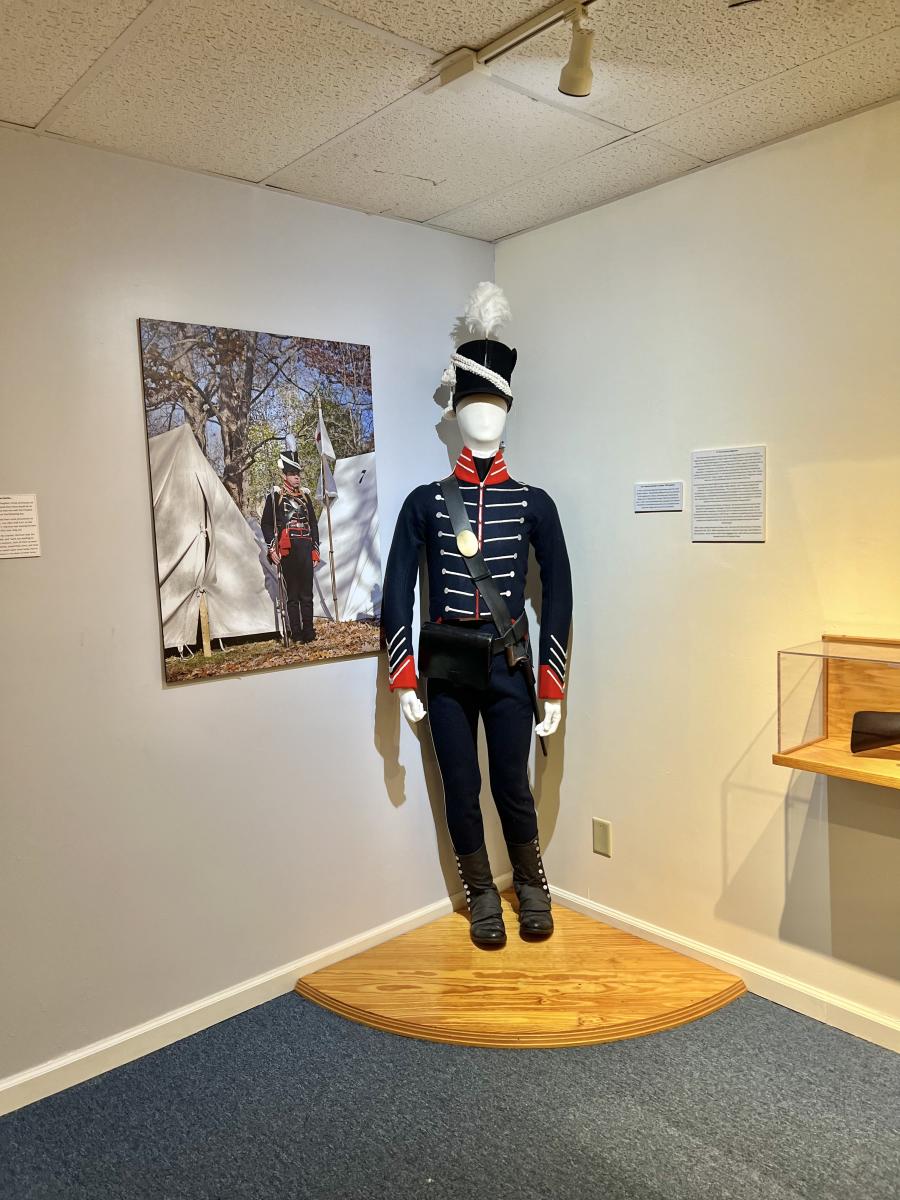
The museum really captures the story through artifacts, artwork, and a fiber-optic map that shows how the battle unfolded that night. Displays in the modest, single-story museum come with placards that provide explanations of what they are and their significance. It explores the people who were involved in the battle, where they came from, and what life was like during that time period.
A part of the museum that really stuck with me was all of the artifacts. It’s not every day that you get to see something from 200 years ago and get to learn what it was used for. They have things that we still have today, like cookware and guns, but they are also so different from our modern-day appliances, and it was incredibly interesting to learn how they operated so long ago.
While the museum itself opened in the early 1970s, visitors have been coming and going from the battlefield since the 1820s, according to Gorden, making it one of Indiana’s oldest tourist attractions.
Over time, the battlefield has added fences, monuments, and, of course, the museum itself, which has only encouraged more and more people to visit and experience the history for themselves. With this, so much of the history and story behind the battle has changed and evolved.
“One of the really fascinating things about a place like this is that you can see the layers of interpretation,” said Gorden.
The story that was told when the battle first happened has changed over time as historians have learned more and revisited what they thought they knew. For many years, the story centered almost entirely on Harrison and his victory. Today, the museum has put more emphasis on Tenskwatawa and his brother Tecumseh and what they did that led to the battle and how they felt about the westward expansion.
When arriving at the battlefield, there is a small fee to enter the museum and begin exploring what it has to offer. After that, you can go outside and explore the actual battlefield. The museum took me about an hour to walk through, and the battlefield itself is a large open space with monuments and walking paths, which added another 30 minutes to my trip.
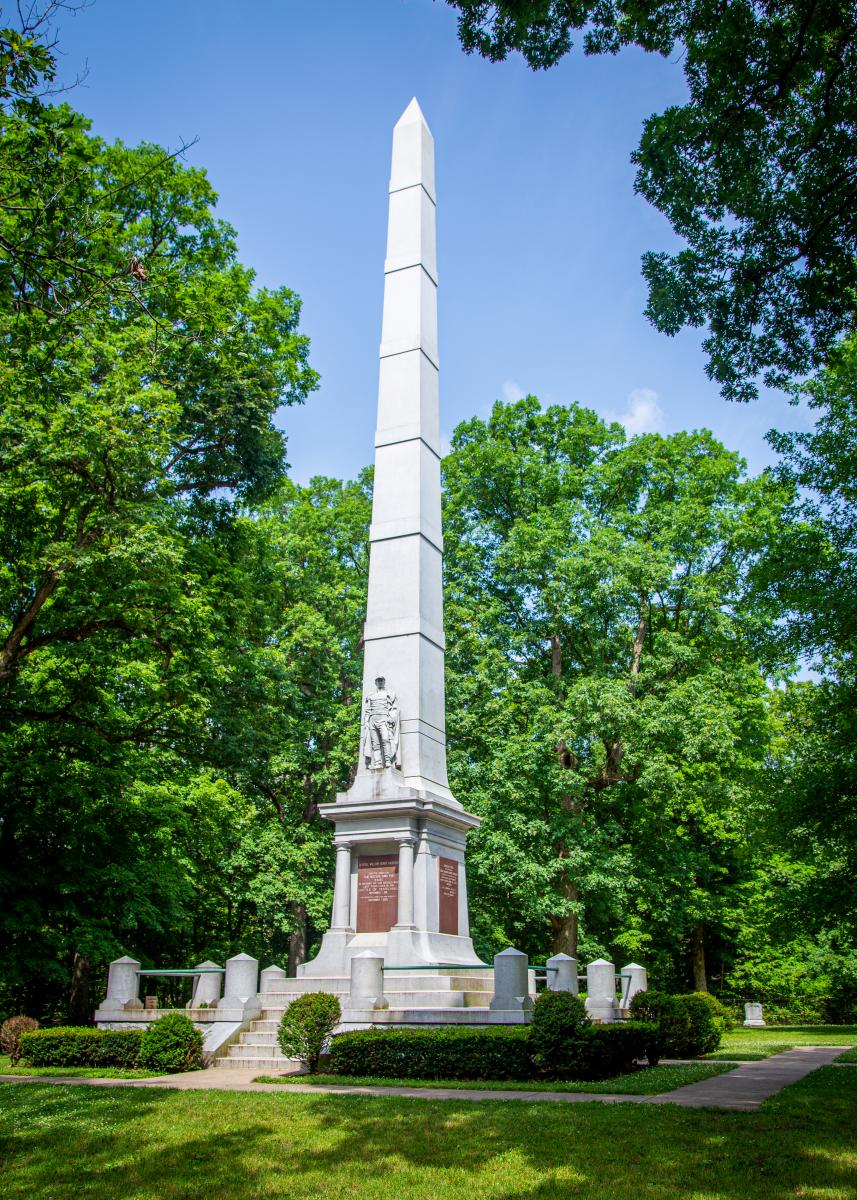
A map shows visitors where each tent used to be and how the battlefield had been set up. The monument is the most eye-catching part. It is an 85-foot monument made completely out of marble, with a statue of Harrison on one side of it that really stood out to me and was my favorite image from the entire experience.
It’s an incredibly fascinating site that many wouldn’t expect to find in Indiana or expect to have such historical significance. Even I hadn’t expected to find something so full of history and importance just a short distance outside of Lafayette.
For more ideas on historic places around the Lafayette area, explore the Home of Purdue blog.